
If you have been managing an irritated tendon—such as Achilles pain, tennis elbow from racket sports or gym work, or patellar tendon pain (“runner’s knee”)—you may have tried taking a complete break from activity, hoping the pain would resolve on its own.
Yet for many persistent tendon problems, resting may temporarily calm symptoms, but it does not necessarily rebuild the tendon’s capacity to tolerate the physical demands that triggered the discomfort in the first place.
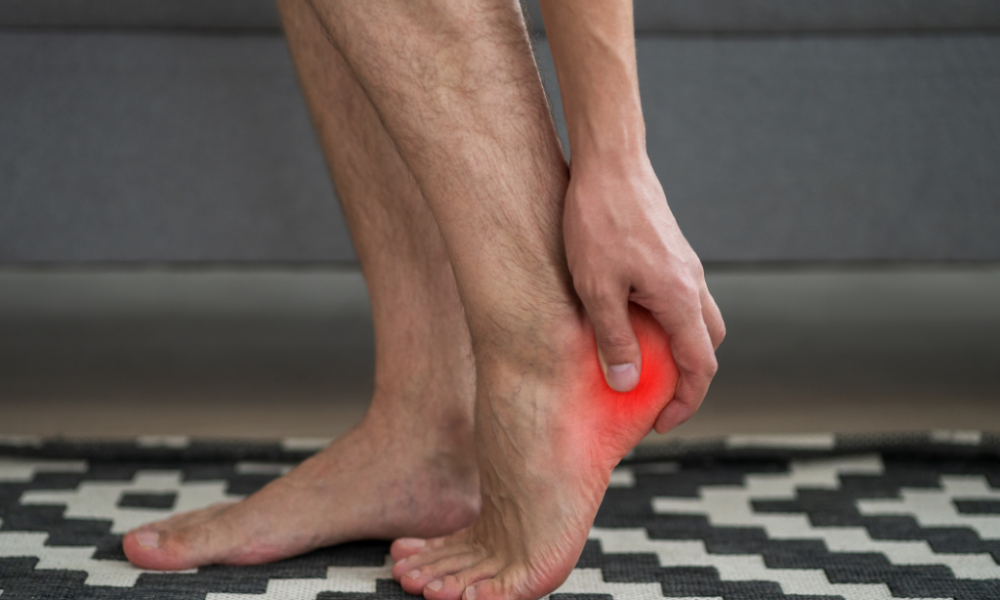
Understanding Tendon Pain & Load Capacity
Tendons are designed to transmit forces from muscle to bone and act as springs during movement. When a tendon is repeatedly loaded beyond its current capacity without adequate recovery, it can become sensitive and less tolerant of strain—a presentation often referred to in clinical science as tendinopathy.
When you rest completely:
- Symptoms often settle temporarily: Without daily activity or training stress, pain receptors calm down.
- Capacity may decrease: Tendons require appropriate mechanical load to maintain their strength and stiffness. Prolonged complete rest can de-condition the tendon and its surrounding muscles.
- The return-to-activity flare-up: When you return to normal training or sport, the under-conditioned tendon is suddenly exposed to high loads again, causing symptoms to re-emerge.
The Role of Progressive Loading in Recovery
Supported by extensive research into cellular biology and tendon adaptation—specifically a process known as mechanotransduction—modern rehabilitation focuses on graduated, progressive loading. This provides a controlled mechanical stimulus that signals tendon cells (tenocytes) to synthesize collagen and remodel tissue structure.
Depending on the tendon involved, the stage of recovery, and your personal goals, a structured plan may include:
- Symptom-Tolerable Loading: Isometric holds or controlled resistance exercises that allow you to load the tendon without excessive irritation.
- Progressive Strength Training: Heavy slow resistance or guided strength work to improve the load tolerance of the entire muscle-tendon complex.
- Dynamic & Energy-Storage Training: Progressing toward faster movements, hopping, or sport-specific drills as tissue tolerance improves.
Where Hands-On Therapy Fits In
At MoveSync Physio, hands-on therapy, joint mobilisation, and soft-tissue techniques are often integrated into treatment. These modalities help manage acute discomfort and improve movement comfort, creating a more effective window for you to perform the progressive strengthening exercises your body needs.
The goal of tendon rehabilitation is not simply to be pain-free at rest. It is to rebuild the physical capacity required for the sports, workouts, and daily activities you enjoy.
Consult MoveSync Physio for Tendon Rehabilitation
Learn how a structured, load-based rehabilitation plan can help manage persistent tendon pain.
Address: 603, Anushri Accolade, Opp. Shell Petrol Pump, Science City Road, Sola, Ahmedabad